Abacum · Integrations

Problem


As Abacum scaled, integrations became a major operational bottleneck.
All data imports and updates were handled manually by the support team, requiring custom implementations for each client due to highly variable data formats. This led to frequent errors, long turnaround times, and heavy reliance on internal teams.

FP&A teams lacked autonomy to manage their own data, while support spent a significant portion of their time maintaining integrations instead of focusing on higher-value work. This didn’t scale with customer growth.

Task

I redesigned the integrations experience to shift complexity from people to the system. The goal was to enable FP&A teams to configure, validate, and manage integrations independently, while ensuring data reliability across different formats and use cases. The solution focused on guided workflows, clear validation states, and progressive disclosure—allowing users to understand and fix issues before data impacted the system. This approach reduced manual intervention, minimized errors, and turned integrations into a scalable, self-service capability.

  • Define

    Research · Analysis · Explore

  • Design

    Ideate · Prototype

  • Review

    Support Team · Developers Team

  • Deliver

    Documentation · Follow-up

Problem

As Abacum scaled, integrations evolved from a one-off setup task into a critical platform bottleneck.

Highly variable data formats and fragile validation logic forced data imports and updates to rely on manual support workflows, resulting in frequent errors, long turnaround times, and limited visibility into data health.

FP&A teams lacked autonomy to configure and maintain integrations confidently, while internal teams spent disproportionate time resolving issues. The system did not scale with customer growth.

My role

I led the end-to-end UX definition of Abacum’s integrations experience, reframing it from a support-driven process into a scalable, self-service platform capability.

I partnered closely with Product, Engineering, Data, and Support to define system-level interaction models, validation states, and error-handling patterns that balanced flexibility with data reliability.

Scope & impact
  • End-to-end ownership of integrations UX (discovery → system definition → delivery)
  • Platform-level interaction and validation models reused across multiple integrations
  • Reduced support dependency and enabled FP&A self-service
  • Direct impact on operational efficiency and system reliability
Analysis

Support & customer-led journey analysis

As there was no user-facing integration interface, the analysis focused on internal
support workflows and recurring issues surfaced by both support teams and finance users.

By mapping these inputs into a shared journey, we identified systemic pain points across
data imports, updates, and error handling—allowing us to prioritise the most critical
failures and define an MVP focused on reducing operational friction from day one.
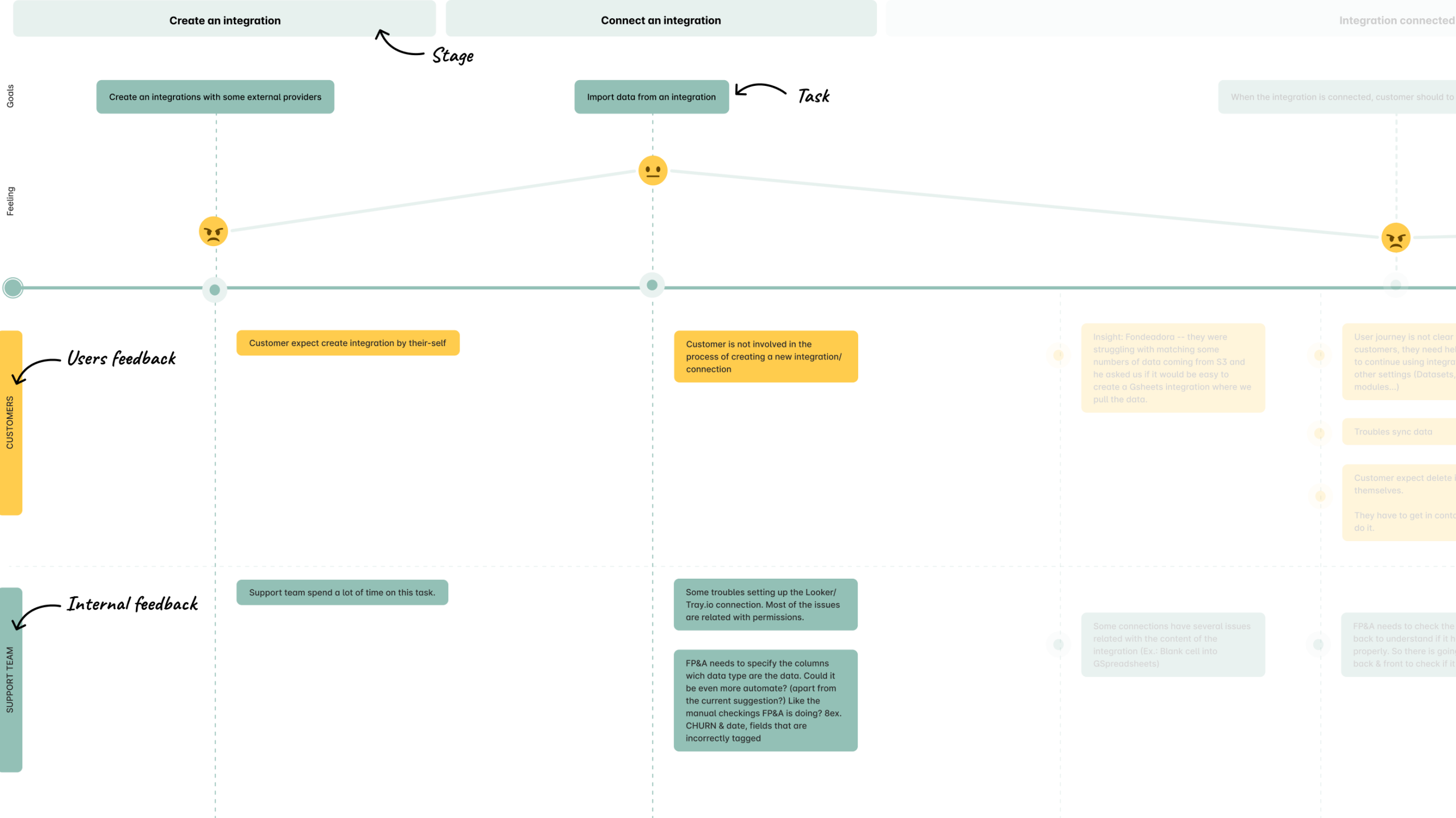
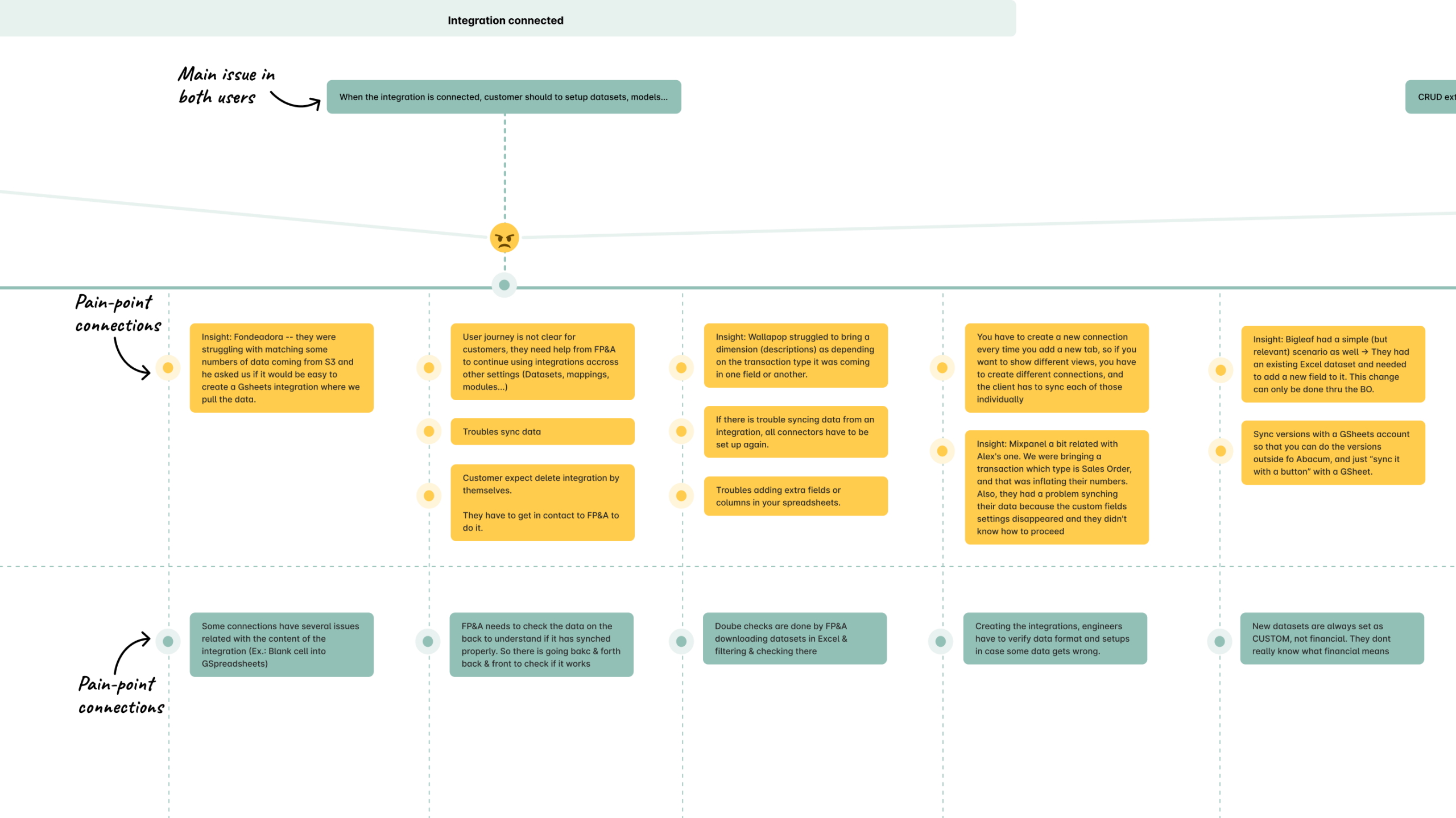
Synthesized from support tickets, customer interviews, and internal workflows.
The shift from intervention to self-serve integrations reduced operational friction and enabled finance teams to manage data with confidence.

Original MVP

Guided integrations for faster, safer setup

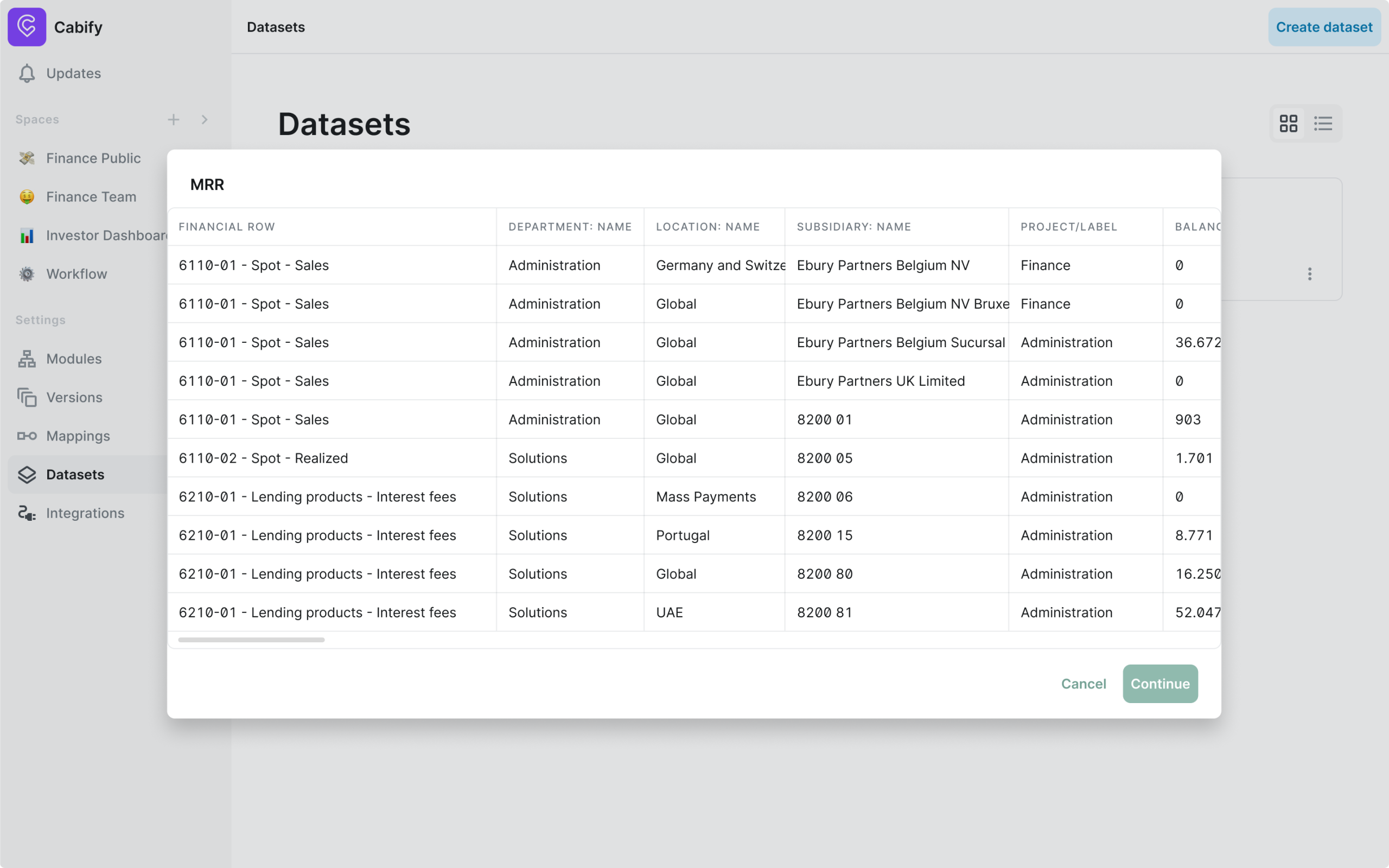
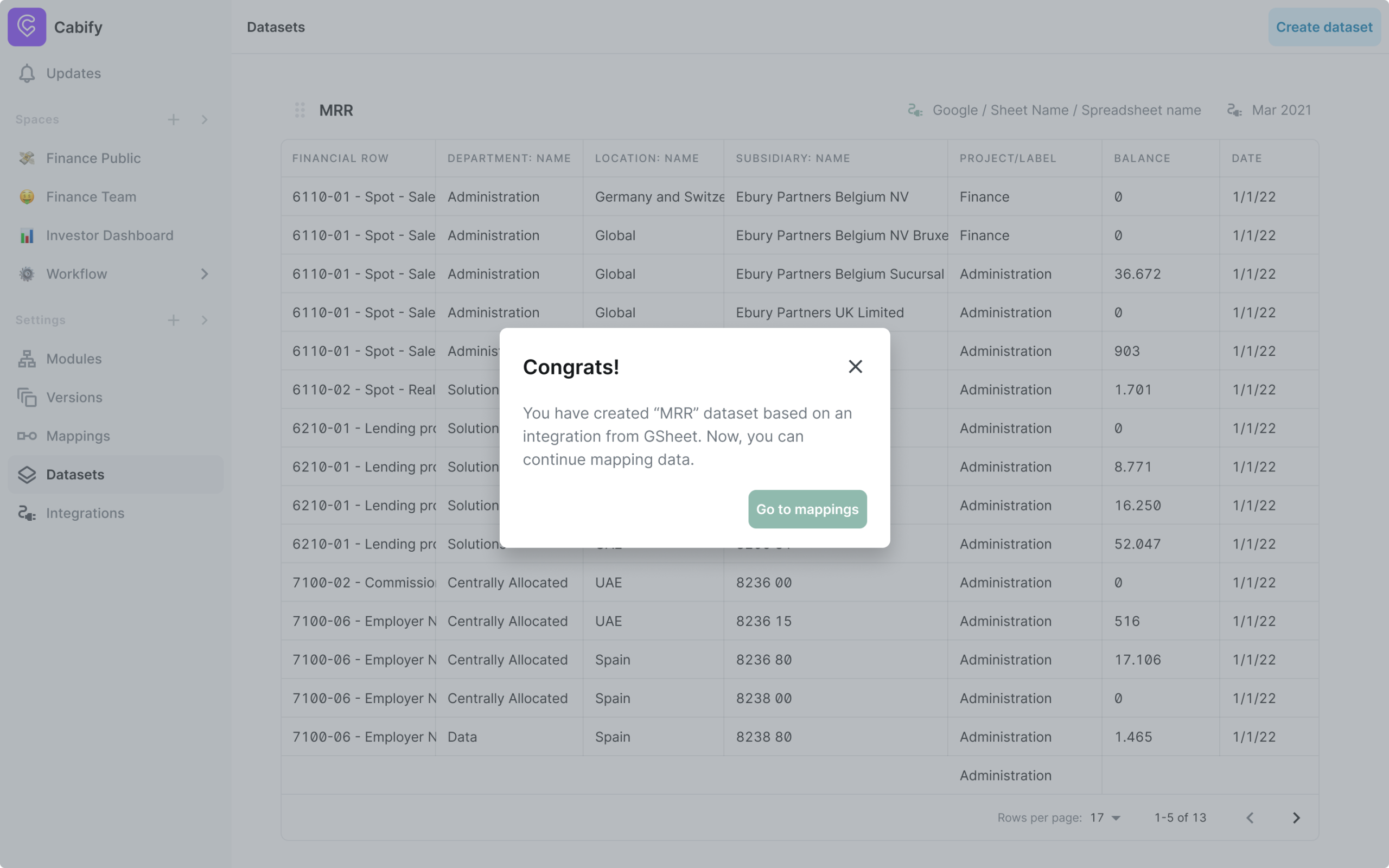
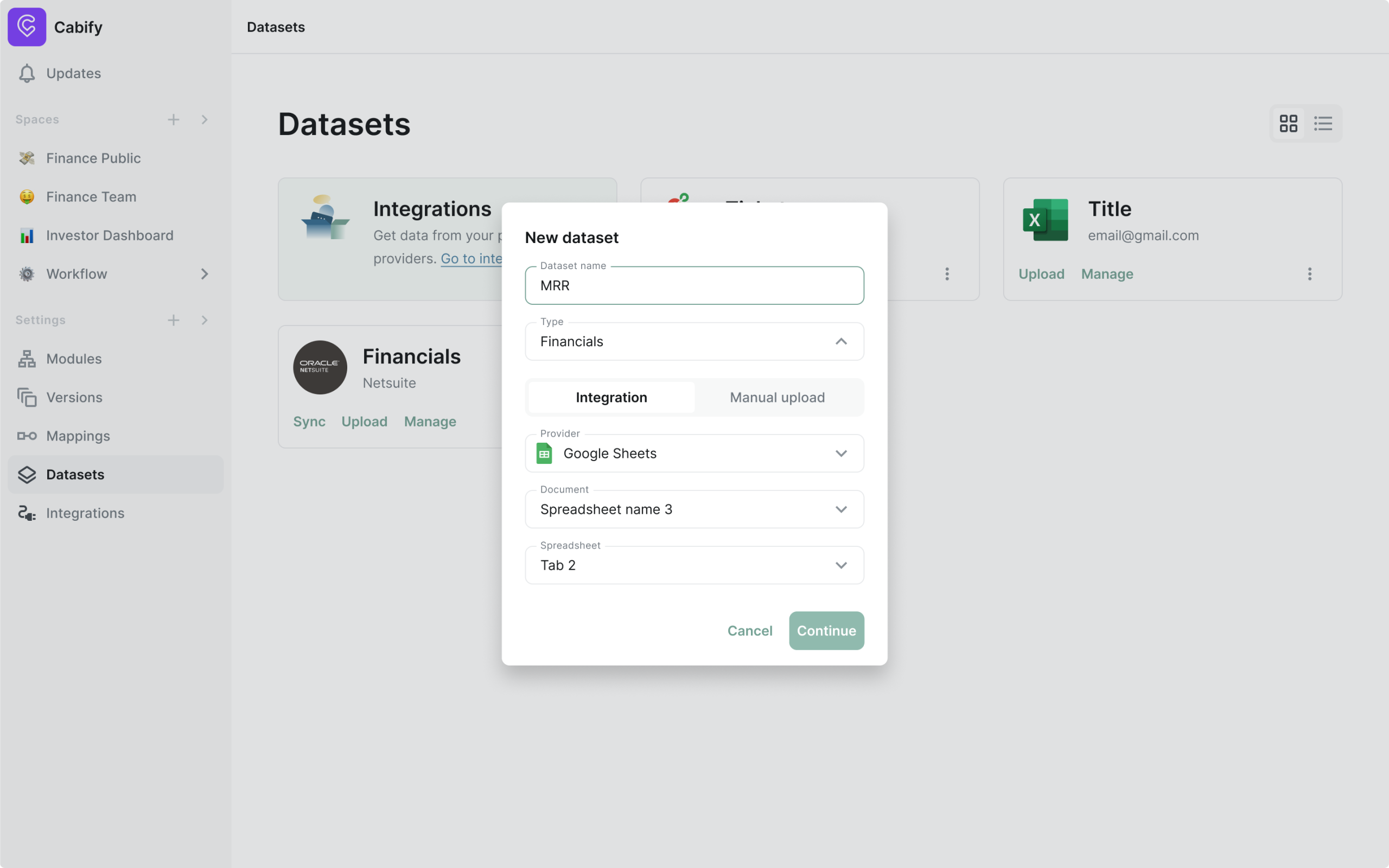
The MVP introduced a guided, self-service integration flow that replaced manual, support-led processes.

Finance teams could connect data sources step by step, with clear validation and system feedback at each stage—reducing setup errors and uncertainty.

This shifted integrations from a support dependency to a reliable, scalable product capability, freeing internal teams to focus on complex edge cases rather than repetitive setup tasks.
Data in everywhere

Integrations as a real-time data layer

Self-serve integrations evolved into a real-time data backbone across Abacum, powering forecasts, KPIs, and scenario modelling with always-up-to-date inputs.

By eliminating manual updates and fragile syncs, finance teams gained continuous visibility across planning, reporting, and decision-making—while the platform scaled reliably with growing data complexity.

Mapping comprehension

Early user test

User testing in real-world scenarios

Tested the MVP with finance teams using real production data and live integrations to validate clarity, error handling, and autonomous setup without support intervention.

Iterative adjustments based on feedback

Testing surfaced friction around mapping and recovery from errors. The flow was iteratively simplified, introducing live previews, clearer field ownership, and safer defaults to prevent costly setup mistakes.

Key Lernings

  • Guided, constrained flows reduced critical data errors
  • Live previews and ownership clarity lowered support dependency
  • Reliable integrations became a reusable data foundation across workflows
Statistics

Project by the numbers.

Key indicators based on early adoption and user feedback.

0 %
Successful first-time completions

After launch, significantly more users completed the integration flow on their first attempt, driven by clearer guidance and a fully self-serve setup experience.

0 %
Drop in support tickets

Requests related to data imports and sync issues dropped notably, freeing the support team from manual intervention and repetitive troubleshooting.

x 0
More integrations per user

The new workflow encouraged finance teams to configure and manage more integrations autonomously, increasing adoption and long-term product usage.

Iteration & Impact

From MVP to a core product capability

Launched in 2022 as an MVP to reduce manual support effort, the self-serve integrations system became a core capability of Abacum. Over time, it scaled to support multiple data sources and use cases across forecasting, reporting, and modeling — turning integrations into a foundational layer of the product rather than a standalone feature.

This MVP became foundational, not incremental.

Strategic learnings

What this project taught us

01.

Self-serve systems scale teams, not just products

Moving integrations out of support workflows and into user hands unlocked autonomy, reduced operational load, and scaled without increasing internal complexity.

02.

Clarity beats flexibility in early-stage systems

Early iterations showed that guided flows and opinionated defaults outperform overly flexible setups when users are dealing with complex data structures.

03.

Integrations are product infrastructure, not features

Treating integrations as a real-time data layer—rather than isolated connections—enabled consistent experiences across forecasting, reporting, and scenarios.

Let’s Collaborate

Designing products that perform.

Back